Coordinating complex supply chains
Built multi-level supply-chain orchestration that coordinates decisions across organisational levels and resolves competing priorities.
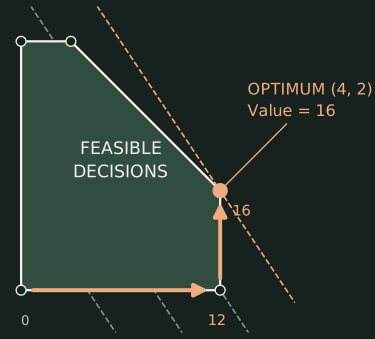
The business problem
Supply-chain decisions affect more than one team or location. A choice that works for one part of the operation can create a problem elsewhere.
What domain understanding changed
Local priorities must fit the needs of the wider operation. Orchestration coordinates the work; arbitration determines how competing demands should be resolved.
What we built
We developed multi-level orchestration and arbitration systems that connect decisions across the supply chain. The design accounts for organisational responsibilities and how decisions in one part affect the rest.
The role of automation
The work includes fully and partly automated orchestration and arbitration. The level of automation follows the decision and its responsibilities.
Why coordinate decisions across several levels?
Local teams and the wider organisation can have competing priorities. Multi-level coordination makes those dependencies part of the decision process.
Relevant capabilities
Software, AI, orchestration, integration and relevant platforms.